Culture and People
Beyond the clinic: Volunteering and vaccinating in Kenya
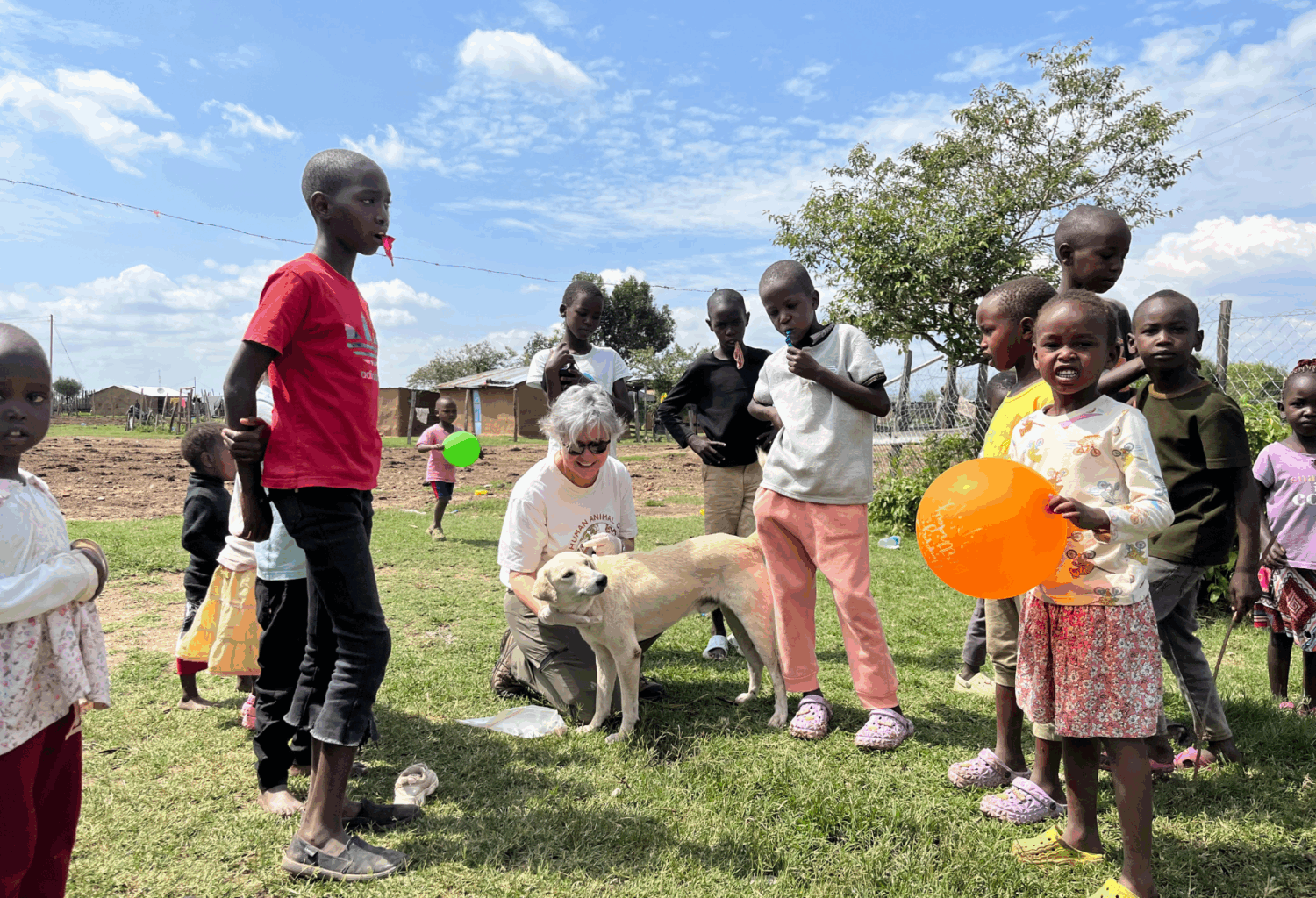
This summer, AAHA’s interim CEO, Guylaine Charette, DVM, traveled to Africa to participate in a volunteer trip with the Alliance for Human Animal Coexistence. During her time in Kenya, she vaccinated dogs, cats, and donkeys against rabies, and while the act of vaccinating animals was nothing new to her, the rest of her experience was eye-opening. Here, she shares her tale of volunteering (and offers inspiration to those interested in putting their passion and skill to similar use).
Advertisement
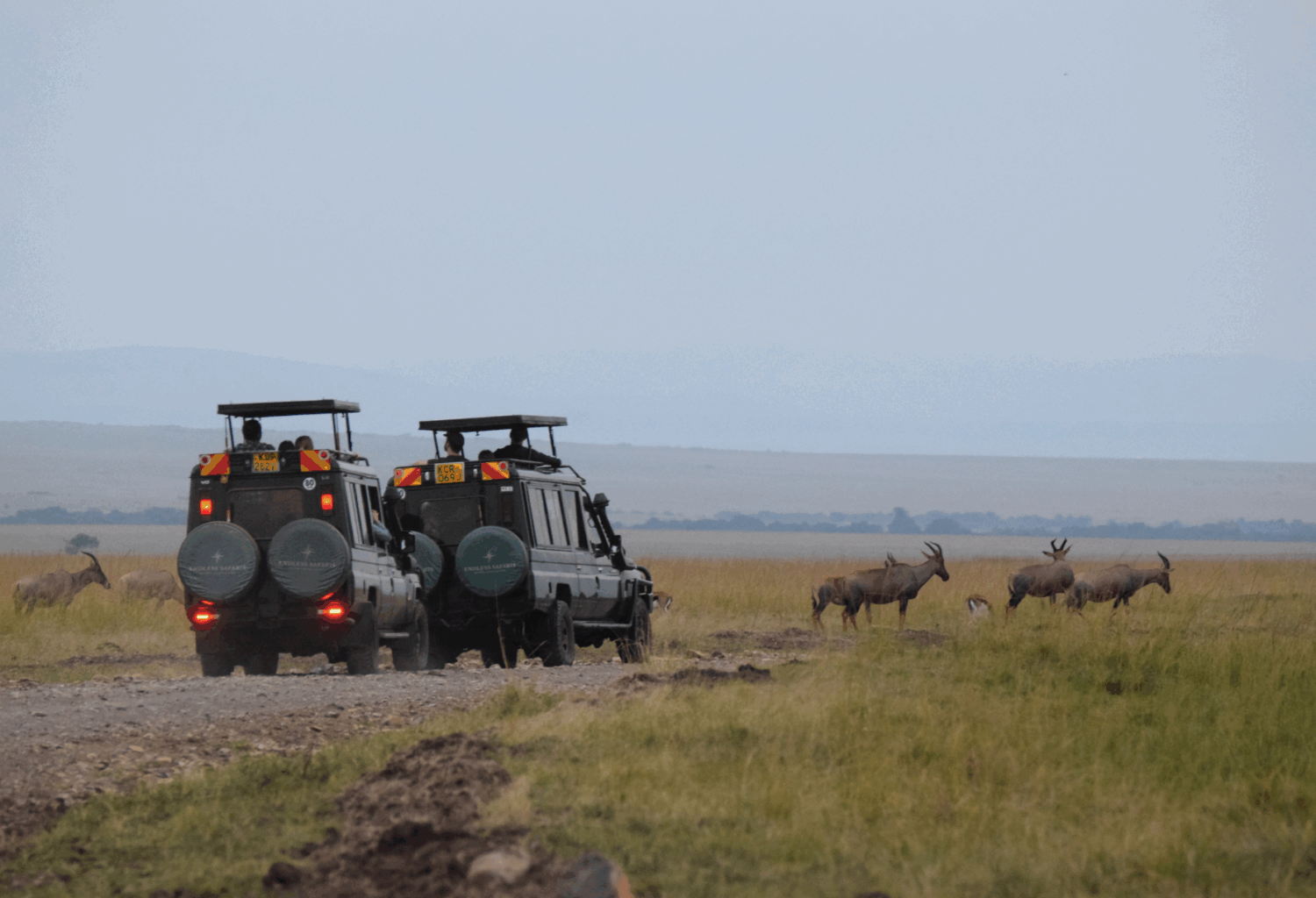
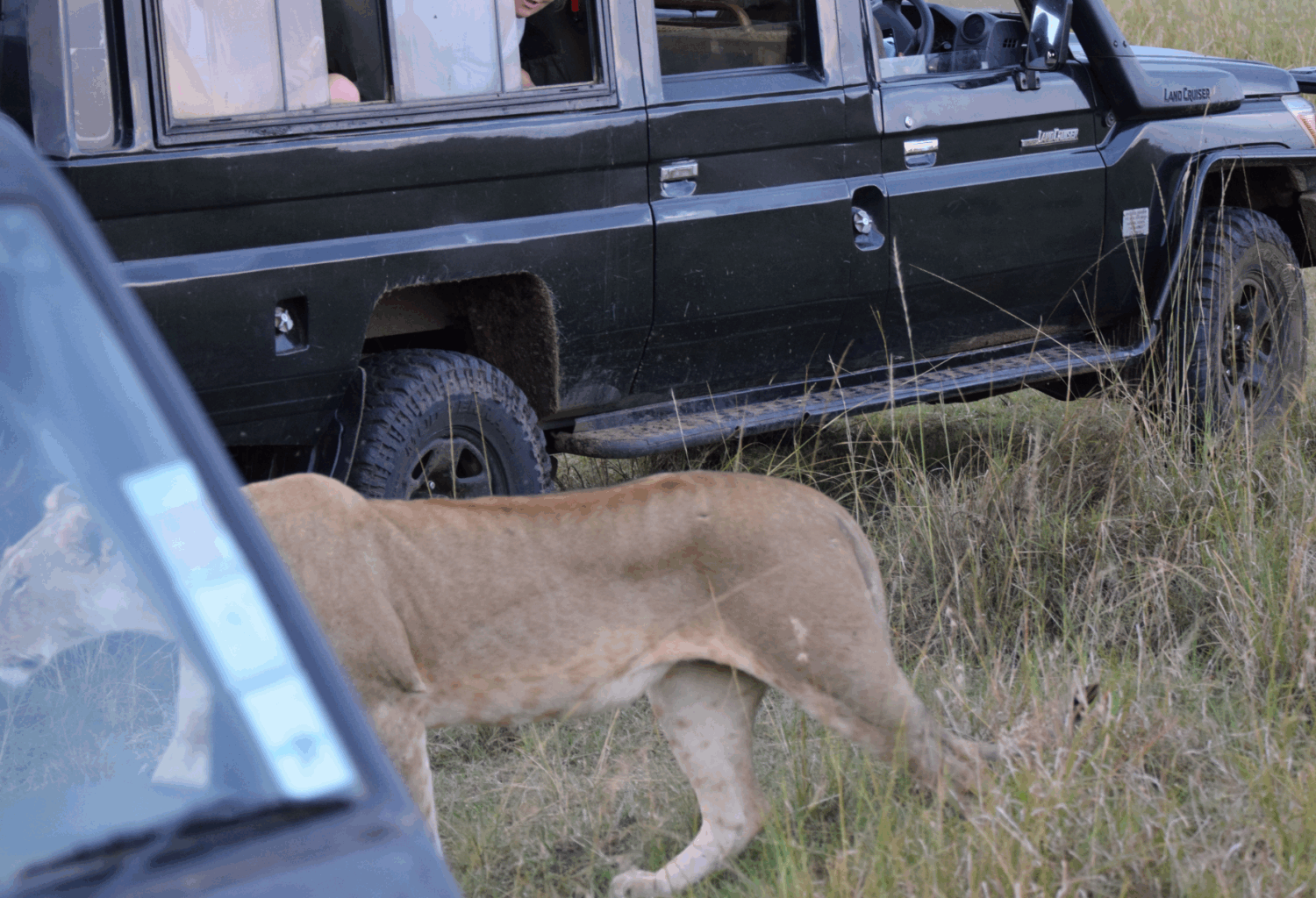
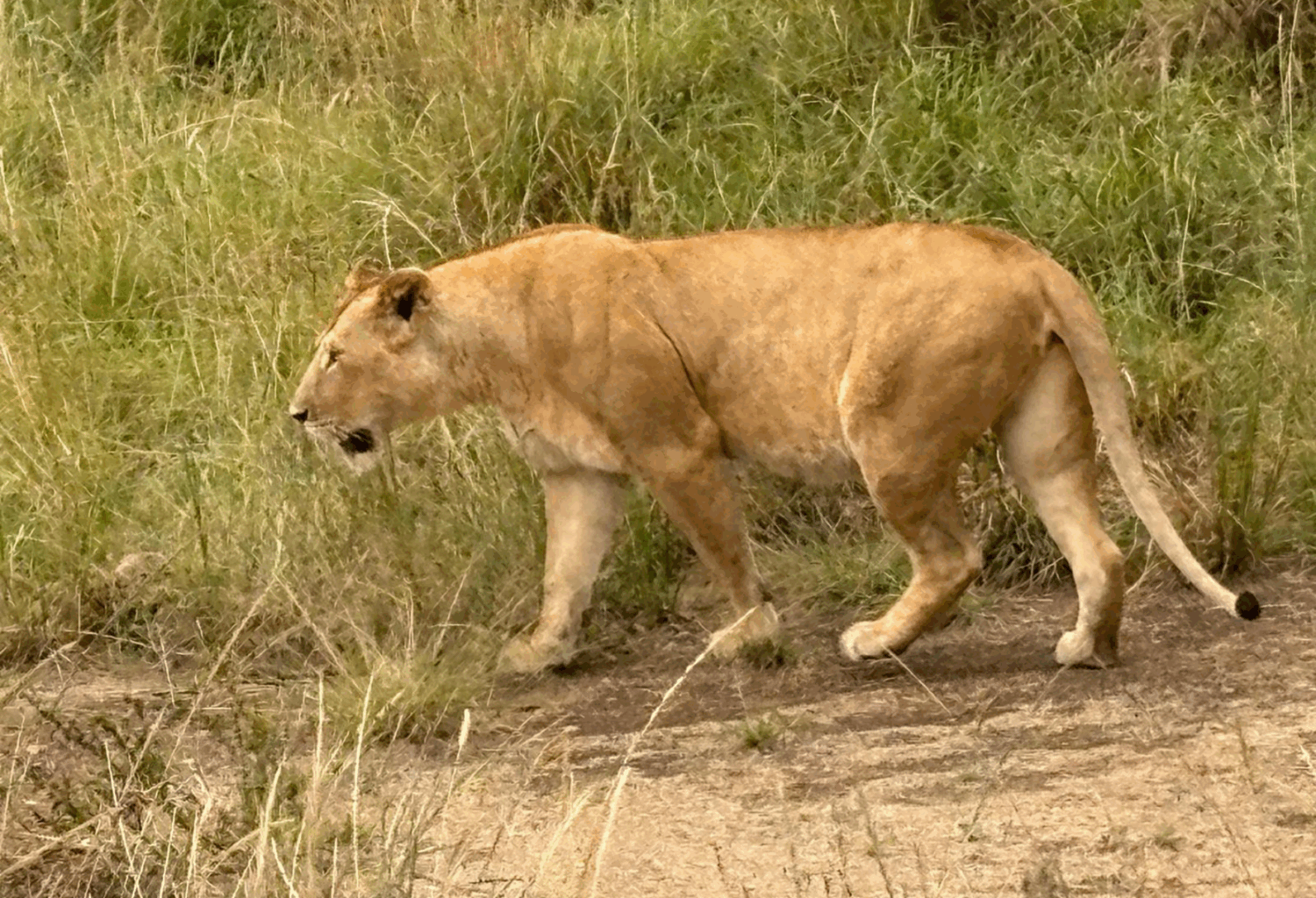
It’s 6 in the morning. In the distance, a hippo groans, or perhaps a lion roars amongst the sounds of the thick insect chorus of the Masai Mara National Reserve (a wildlife conservation and wilderness area in southwest Kenya), and I get ready for another day’s work.
I’ve spent the better part of my life vaccinating dogs and cats, but none of my experiences would compare to the two weeks I recently spent vaccinating animals against rabies in Kenya as a volunteer with the Alliance for Human Animal Coexistence (AHAC).
Earlier this year, I met Julie Kelly, DVM, through a Facebook group; she was the veterinarian in charge of AHAC’s upcoming trip to Kenya. She introduced me to the non-profit group, which was co-founded by Katherine Baxter, PhD; Janet Rumtelt, PhD; and Kihindi Lekalhaile; and dedicated to “unifying the well-being of people, animals, and the environment.” It didn’t take much convincing on her part to get me to sign up for the trip.
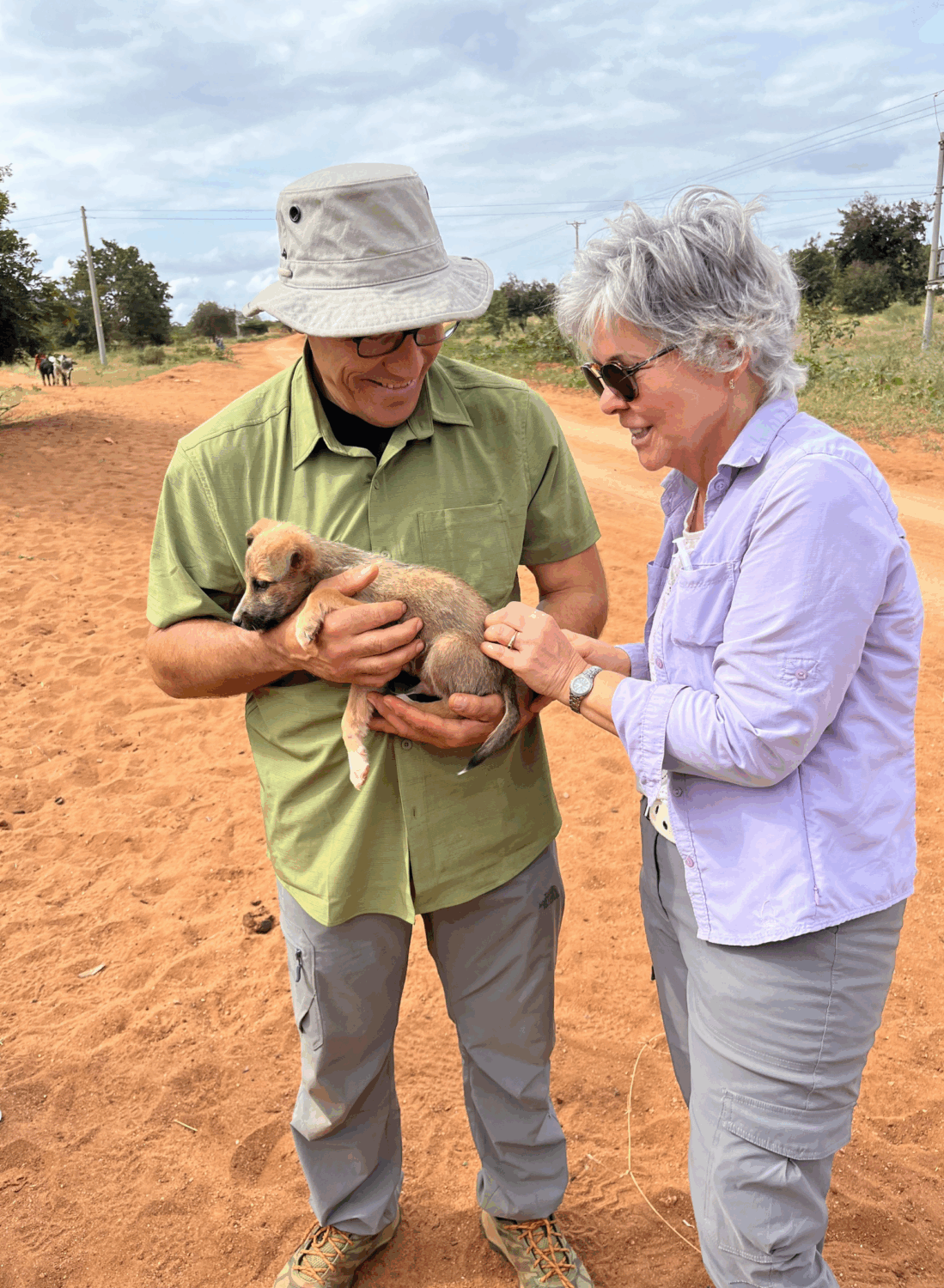
After visiting the travel nurse and getting a few vaccinations ourselves, my husband and I headed to Kenya to administer treatment against the zoonotic disease that affects the health of many animals and humans alike.
A variety of volunteers
It’s worth noting that I did not marry a fellow veterinarian, nor did I spend my time in Kenya surrounded by many veterinarians. Among our team of 20, only three of us were DVMs. That’s around six people accompanying one vet, and I found that those individuals added order, wisdom, perspective, and innovation to my medical knowledge.
On clinic days, we split into three groups—one vet per group—and received our assigned clinic for the day. From there, we’d pack the car with medical supplies, grab the leftover food for the dogs, and settle into the Jeep. It would be a long, bumpy ride.
We’re not in the clinic anymore
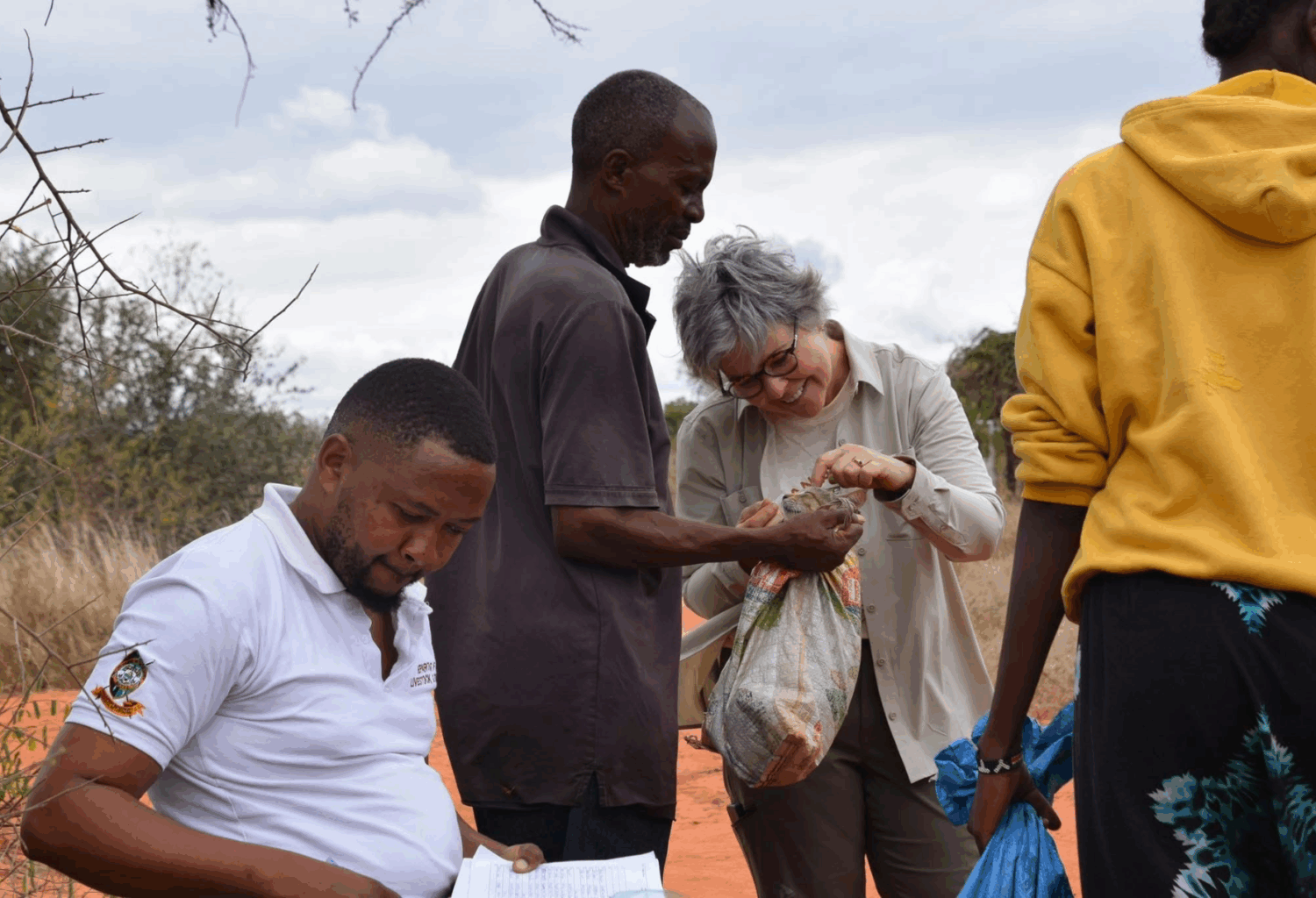
When volunteering in places like the Maasai Mara, we traveled to various communities, going from house to house offering care while lugging our medical supplies along with us.
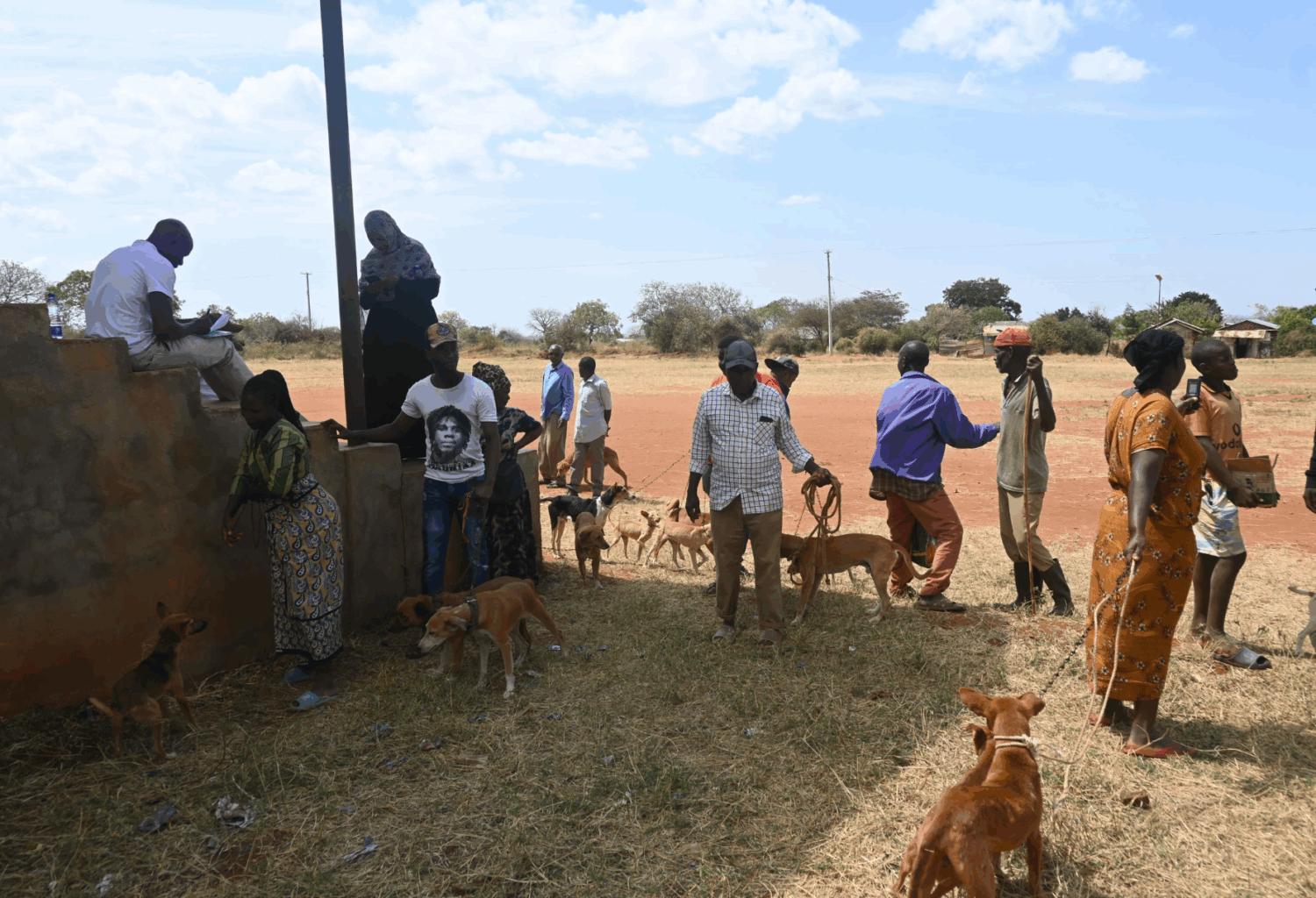
In other areas, we would arrive under a tree in the middle of the savannah, hesitatingly unpacking the equipment because … where are all the people? No need to worry, as a crowd of locals would soon form around our tree. No waiting room, no well-trained pets, only a frenzy of animals and owners, equally unaccustomed to leashes.
In this situation, there is no structure in place; we’re running around trying to get some sense of normalcy in an environment completely different than our own. I can pretty much vaccinate pets in my sleep, but I quickly realized these are not pets, they’re sentinels. They’re treated as such too. No leashes or collars in sight. Owners get creative with how they bring in their dogs, using rope, or even wire or twine.
These dogs, cats, and donkeys to whom we’re administering parasiticides and rabies vaccinations are not at all accustomed to being touched, let alone held and asked to sit still as I sink a needle into their skin. We had to adapt. With the help of the local veterinarian, always present and overseeing the clinic, we began to catch the rhythm.
We first calmed animals down with the food we brought. Someone would quickly hold the dog as I engaged all my skills to aim and shoot the vaccine to the best of my abilities, all before the dog could realize what was happening. A treated dog would get a mark on its fur to allow us to see who had and had not been attended to.
The challenges and the payoff
It was hard work. We stood working all day under the scorching sun as clouds of dust seemed to swallow us, with barely so much as a bathroom break to split up the hours.
Despite the physical rigor of the days, it was the emotional toll that got to many of us. To see the dire need for help in these communities filled with such beautiful people, to see the condition of the sometimes emaciated or wounded animals, is enough for one to want to give everything in their power to make a difference for them.
Each of the three groups our team made up would treat about 60-100 animals per clinic, with six clinics in total. This year, the AHAC initiative—which was comprised of our team of volunteers as well as local veterinary partners—administered 3,000 rabies vaccinations across Kenya.
Rabies learning opportunity
On September 30, 2025 at 2:00 p.m. Eastern, join AAHA’s Rabies and Rabies Vaccination: Compliance and the “Must-Know” Issues webinar to learn why rabies prevention in cats and dogs involves more than simply administering a core vaccine.
A rewarding and enriching experience
Giving back has always been important to me, but it wasn’t until I’d done various kinds of nonveterinary volunteer work and was well into my career that I began doing veterinary volunteering. I’ve now worked with Veterinarians Without Borders Canada, treating animals in Nunavut (Canada’s largest and most northern territory, which has a population of only around 37,000 people). I’ve also volunteered on the AAHA Board of Directors.
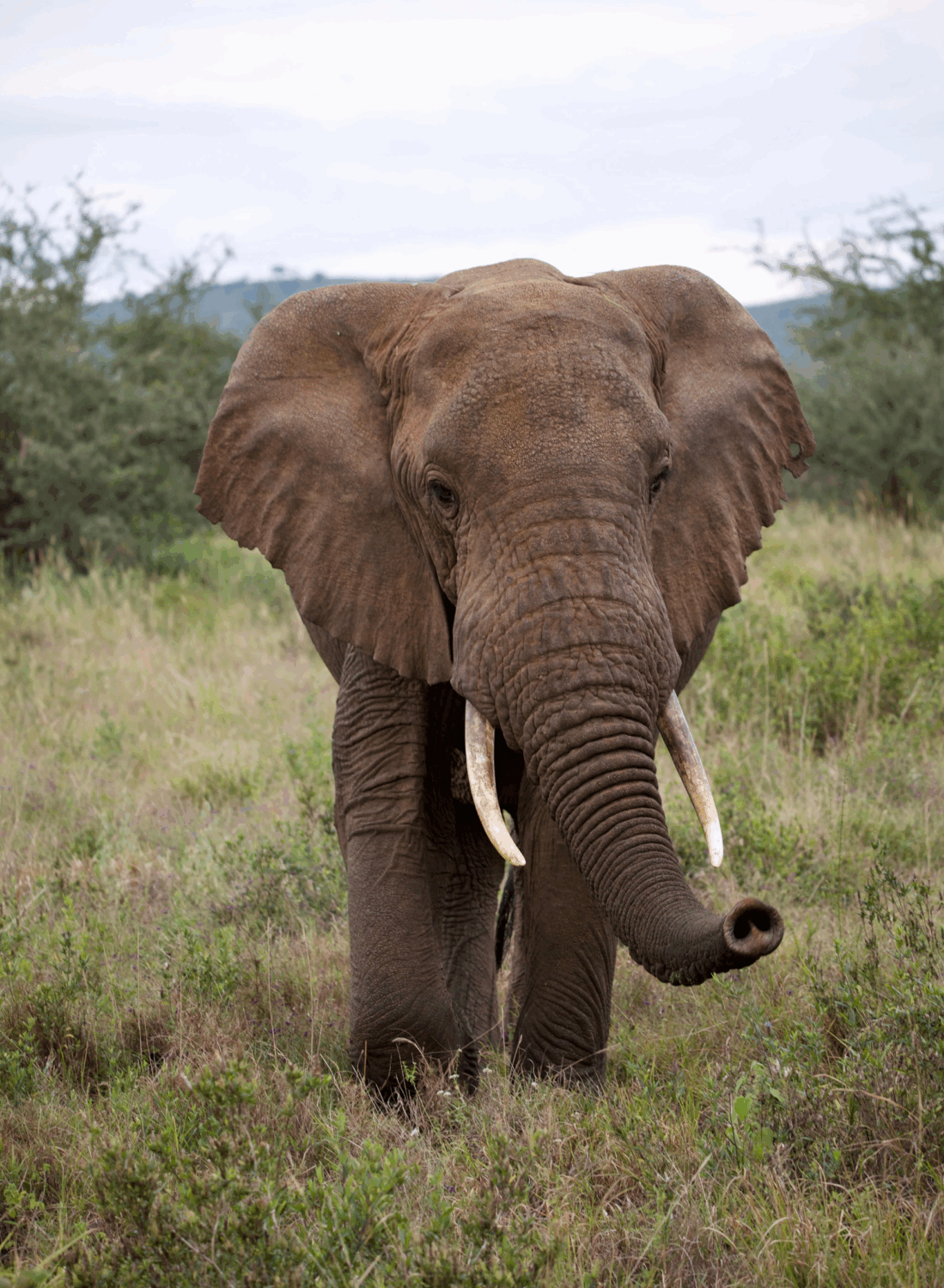
In the case of this most recent volunteer opportunity, I opted to stick around once the work was done to see more of Africa—and her animals.
After our two weeks in Kenya, my husband and I were lucky enough to have our daughter join us in Uganda where we had the most incredible time experiencing the wildlife. I finally got to see Mountain Gorillas, something I’d dreamed of for a long time. It was absolutely amazing—and having just worked in Kenyan communities allowed me to feel a deeper connection to the people we encountered, fostering a greater appreciation for the wildlife.
My time volunteering in these African communities has been one of the most rewarding and enriching experiences of my life. I hope to return, perhaps with my daughter, and continue to make a difference in our world.
There is so much potential for helping these communities. We really do have the power to change not just the lives of an individual, but of entire communities, even generations. Every human and every animal has the right to a good life.
I urge you all to consider volunteer work, whether it’s in the desert of Kenya or at your local charity organization. We all have a difference to make.
For more information on the Alliance for Human Animal Coexistence, please visit https://www.humananimalcoexistence.org/.
Photo credits: Courtesy of Guylaine Charette, DVM
Disclaimer: Trends content is meant to inform, educate, and inspire by providing an array of diverse viewpoints. Any content published should not be viewed as an official stance, position, or endorsement by the American Animal Hospital Association (AAHA) or its Board of Directors.
