All Articles

1481 Articles

Pet parasite risks are evolving. Is your practice prepared?
dog on mountain trail with owner

Client Communication

Pet parasite risks are evolving. Is your practice prepared?

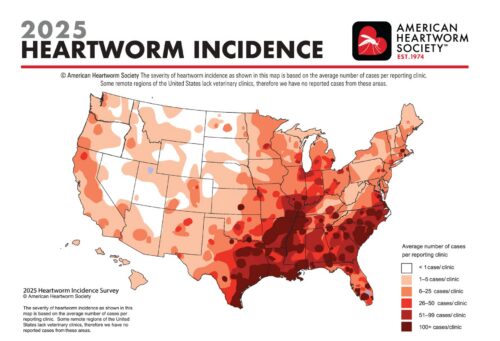
Lyme disease, heartworm, ehrlichiosis, and anaplasmosis are expanding into regions that have historically been low risk, raising a new set of questions for veterinary teams. We know the map is changing, but are clinical protocols, client conversations, and everyday assumptions keeping pace with it?
JAAHA: Pes varus correction in a miniature dachshund

Clinical

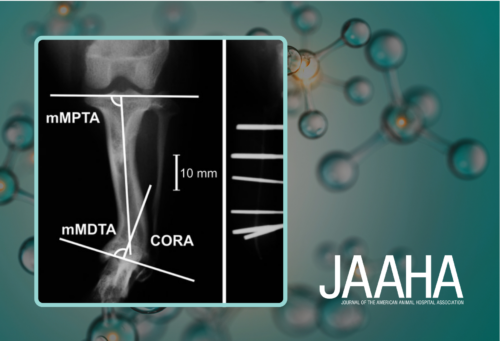
JAAHA: Pes varus correction in a miniature dachshund

A recent report in JAAHA describes the surgical correction of a pes varus deformity in a 13-month-old miniature dachshund using free-form bilateral multiplanar external skeletal fixation.

Now available: 2026 AAHA Diabetes Management Guidelines for Cats
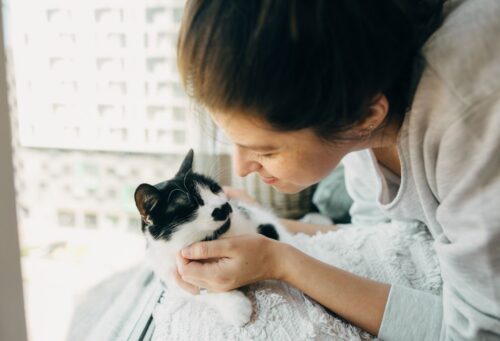
woman petting happy black and white cat near window

Clinical

Now available: 2026 AAHA Diabetes Management Guidelines for Cats

Diabetes in cats is different than diabetes in dogs and requires a different approach to treatment and management. In recognition of these distinct differences, the upcoming version of AAHA’s Diabetes Guidelines separates the species into two guidelines. Task force co-chair Renee Rucinsky, DVM, DABVP (Feline Practice) shares a few aspects of these guidelines that she believes will help every veterinary professional with diabetic feline patients—noting that today’s understanding of the disease and treatment may require a shift in thinking.

Canine freeze-dried plasma available for veterinary use
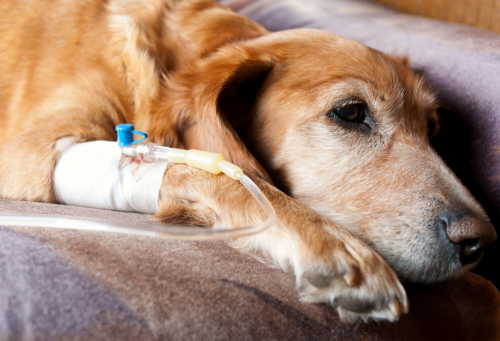
A retriever lies on a bed with an IV catheter in their right front leg receiving a plasma infusion

Clinical

Canine freeze-dried plasma available for veterinary use

A new canine plasma product, canine freeze-dried plasma, is now available for use in dogs who need a plasma transfusion. Learn more about when to consider this product versus other plasma formulations, how to reconstitute and administer, and necessary precautions for use.

There’s no better way to celebrate Veterinary Receptionist Week than by learning what they truly want
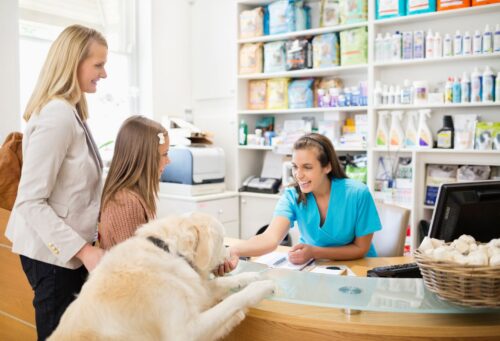
veterinary receptionist welcomes family with dog

Culture and People

There’s no better way to celebrate Veterinary Receptionist Week than by learning what they truly want

Anyone who’s worked in clinical practice knows that a hospital simply can’t run efficiently without a great veterinary receptionist. They’re often the first voice and/or face a client encounters, meaning that they carry the responsibility of making the right first impression. They handle scheduling, which requires an understanding of the clients, patients, and the clinical staff’s style. And while they do far more than answer the phones, let’s face it—swinging from welcoming a new client with a puppy to scheduling an end-of-life appointment for a beloved, long-time patient is no easy feat.

In honor of National Veterinary Receptionist Week, held the last full week of April, we’re sharing a few things that make this role so special, as well as some insights from those on the front lines regarding how we can ensure they’re receiving the recognition they deserve.

Veterinary receptionists: Managing tasks, emotions, and more
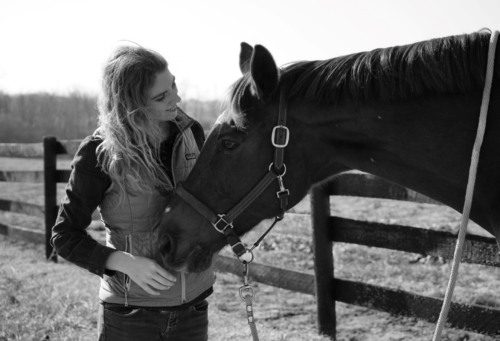
Alice Bayless, a veterinary receptionist from Lexington, KY, attends to a horse

Practice Management

Veterinary receptionists: Managing tasks, emotions, and more

Veterinary receptionists are often the first voice pet owners hear when they’re scared, confused, or desperate. They guide clients through difficult, emotional conversations, and they often act as a bridge between the care team and the pet’s family.

If you’ve ever thought that this crucial role “just” answers the phone, this first-person view from AAHA’s own Alice Bayless will help you better understand all the tasks veterinary receptionists handle. Because, truly, there’s no “just” about it.

Go to the AAHA Site