All Articles

1484 Articles

Finding flexibility that works for you: An EOLC case study
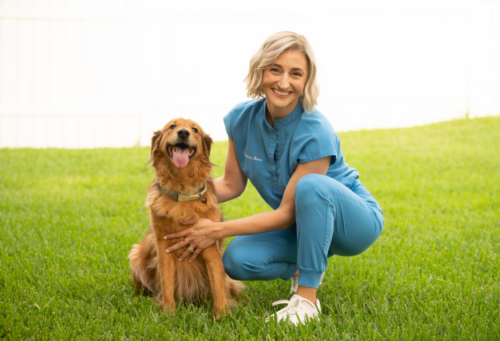
veterinarian with golden retriever

End-of-Life Care

Finding flexibility that works for you: An EOLC case study

We know flexibility is important to those working in clinical practice, and we understand how to define it—but when it comes to making it a reality, flexibility may look different to one veterinary professional compared to another. To highlight the varying forms of flexibility that exist, we’ll talk to individuals who’ve found the right type of flexibility for their lives, as seen here with Stephanie Bowes, DVM, who found flexibility with her own mobile end-of-life practice.
Lonely, “crazy”, childless cat ladies? The data suggest otherwise
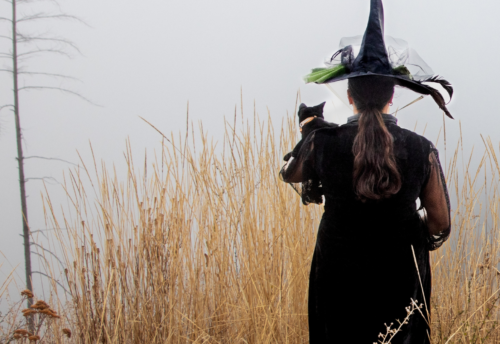
A witch holds a black cat in a field

Culture and People

Lonely, “crazy”, childless cat ladies? The data suggest otherwise

National Cat Lady Day is April 19th. So let’s look at the harmful origins of negative “cat lady” stereotypes and why the data suggests that cat owners are far from lonely, childless, or “crazy.”

Editor’s note: We recognize that the term “crazy” can be stigmatizing, especially in reference to mental health. In this article, it is used only to reflect the common stereotype of the “crazy cat lady,” not to endorse or perpetuate harmful language.

Veterinary Voices: Christine Staten, DVM, MBA
headshot of Christine Staten, DVM, MBA

Culture and People

Veterinary Voices: Christine Staten, DVM, MBA

Meet Christine Staten, a large animal veterinarian, owner of a mixed animal practice with two locations, practice consultant, and mentor. She seeks to help other veterinarians and practice managers feel empowered and inspired to build and grow their practices by sharing what she has learned from her own experiences and studies in business administration. In her content, she embraces transparency as she shares her own successes and failures so that others will feel less alone in their own journeys. She also provides hope for those who believe that burnout is an inevitable part of veterinary work and/or practice management by providing practical strategies to avoid it. “Burnout isn’t the price of admission to practice ownership,” she says, “it’s the result of inadequate systems and misaligned mindset.”

Less stress and better outcomes with cooperative care
Terrier mix receives treat during veterinary exam using cooperative care

Less stress and better outcomes with cooperative care

Recognizing anxiety and its impact on veterinary care is a crucial step toward ensuring every animal who enters your practice has the best experience possible. In some cases (like with Dash, the terrier mix in this story), cooperative care provides a way for the family and team to help anxious animals receive the veterinary services they need.

Meeting the needs of senior pets (and people, too)
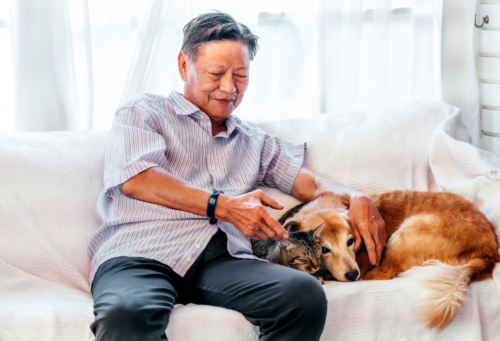
senior man with dog and cat on couch

Culture and People

Meeting the needs of senior pets (and people, too)

If you have a special place in your heart for senior pets (and the people who love them), this conversation with Lap of Love co-founder Mary Gardner, DVM, and Eric Garcia, digital marketer and industry thought leader, is for you.

Broken hearts mended? Rapamycin shows promise preventing feline HCM pathology
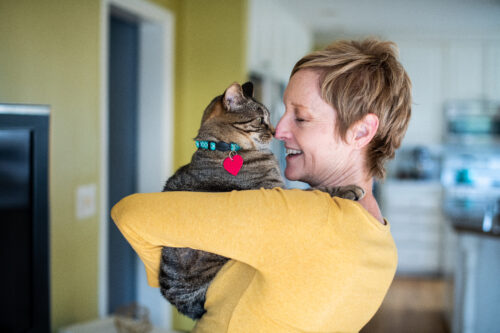
A pretty middle aged woman holds her tabby cat in her home.

Clinical

Broken hearts mended? Rapamycin shows promise preventing feline HCM pathology

By now you may have learned about the anti-aging drug rapamycin and its success in preventing the cardiac muscle thickening characteristic of hypertrophic cardiomyopathy (HCM) in cats. FDA approval and a new study are paving the way toward making rapamycin the key to ending this heartbreaking disease.

Risky business? Using a risk-based approach to stay safe amid HPAI H5N1
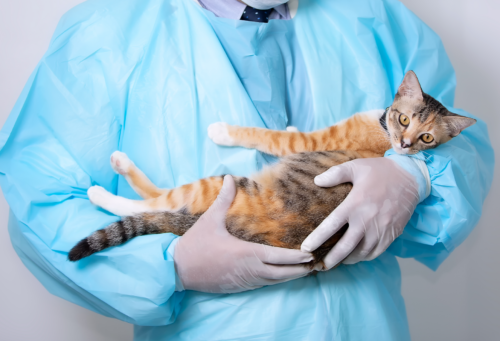
person wearing ppe holding a cat

Clinical

Risky business? Using a risk-based approach to stay safe amid HPAI H5N1

From driving to the clinic in the morning to taking radiographs, every moment of our lives and practice involves some element of risk.  Without even thinking about it, we are constantly assessing risk and doing what we think is necessary to mitigate risk. We put on our seatbelts, stop at red lights, use lead protective gear when taking radiographs, and chemically immobilize a fractious patient to keep them and veterinary staff safe.

Go to the AAHA Site